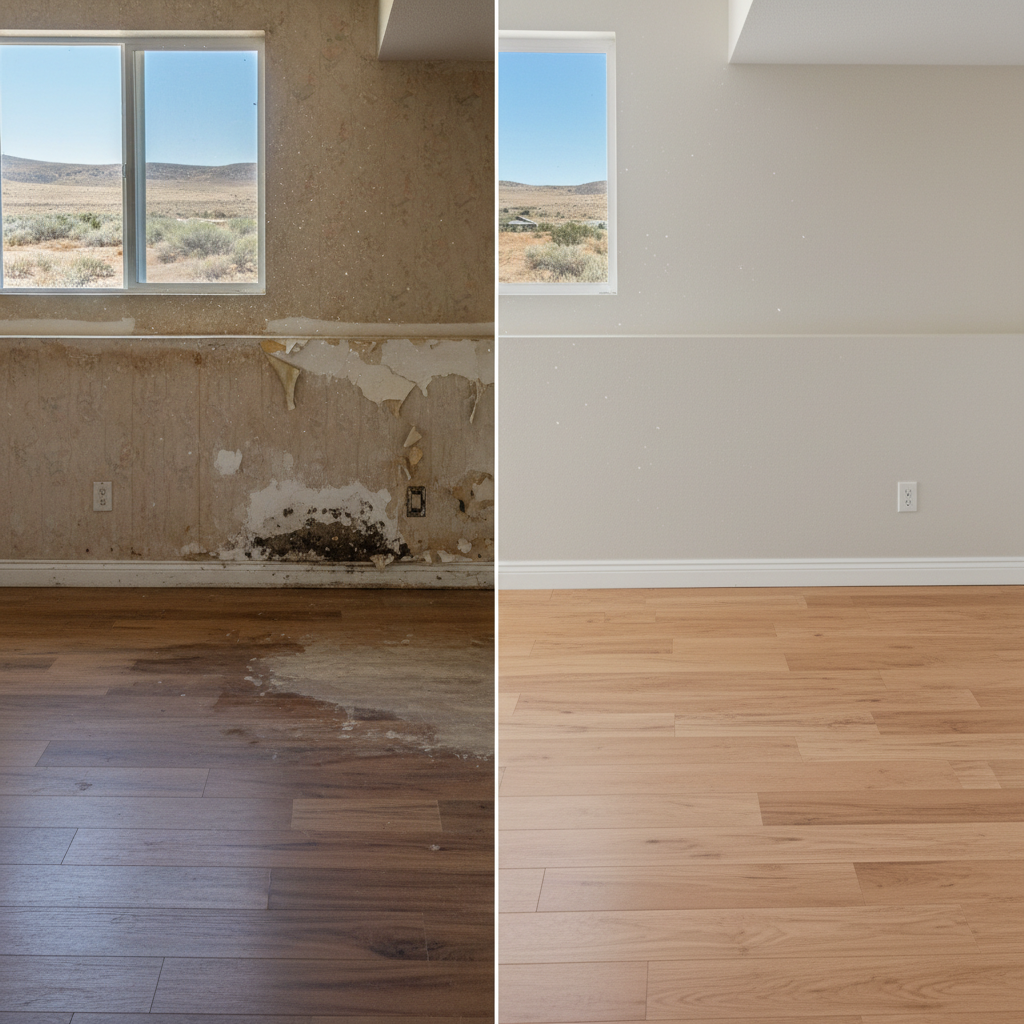
Alright, let's talk about water damage. It's a homeowner's nightmare, no doubt about it. You find a leaky pipe, a busted water heater, or maybe your sump pump decided to take a vacation during a spring thaw, and suddenly you've got a mess. Once the water's out and everything's dry, the real question hits you: do we try to repair the damaged stuff, or do we just rip it all out and replace it?
It's not always a straightforward answer, and I've seen folks make both good and bad calls over the years. As a contractor here in Boise, I've dealt with everything from a little toilet overflow in a newer home in Harris Ranch to major pipe bursts in older North End houses with their original plumbing. Let's dig into what you need to consider.
The "Repair It" Approach: When It Makes Sense
Repairing water-damaged materials means we're trying to save what's there. This usually involves specialized drying equipment, cleaning, sanitizing, and sometimes minor cosmetic fixes. Think of it like a doctor trying to heal a wound rather than amputate a limb.
Cost
Generally, repairing is cheaper upfront. You're not buying all new materials, and the labor involved is often focused on drying and cleaning, which can be less intensive than demolition and reconstruction. If it's just surface-level damage – say, a small section of drywall got wet but dried quickly and didn't wick up too far, or a hardwood floor got a little damp but didn't buckle – then repair can save you a good chunk of change. We're talking hundreds, maybe a couple thousand, versus potentially tens of thousands for a full tear-out.
Durability & Maintenance
This is where it gets tricky. If the repair is done right, and the material wasn't compromised structurally, then durability can be excellent. But if there's any lingering moisture, or if the material was too far gone, you're looking at potential long-term problems like mold growth, warping, or weakened structures. Maintenance usually isn't much different than before the damage, assuming the repair was successful.
Appearance
A good repair should blend in. If we're talking about a small patch of drywall, a skilled painter can make it disappear. For hardwoods, if the cupping or crowning isn't severe, sanding and refinishing can bring them back to life. But if the damage is extensive, or if the material is unique, matching can be a real headache. You might end up with a noticeable patch or a slight discoloration.
The "Replace It" Approach: When It's Non-Negotiable
Replacing means we're tearing out the damaged materials completely and installing new ones. It's often the more aggressive, but sometimes necessary, solution.
Cost
Replacing is almost always more expensive upfront. You're paying for demolition, disposal, new materials, and new installation. This can add up fast, especially if we're talking about flooring, cabinets, or large sections of drywall. However, sometimes it's the only way to avoid bigger costs down the road from failed repairs or hidden mold.
Durability & Maintenance
When you replace, you're essentially starting fresh. New materials, properly installed, should give you maximum durability and a clean slate. You'll have the peace of mind knowing there's no hidden damage or potential mold issues lurking. Maintenance will be exactly what you'd expect for new materials.
Appearance
This is where replacement shines. You get a perfectly uniform, brand-new look. No patches, no mismatched colors, no subtle warping. It's a fresh start, which can be a huge psychological boost after dealing with water damage.
My Recommendation for Boise Homeowners
Here's the deal: I always lean towards replacement when there's any doubt about the extent of the water damage, especially if it's been sitting for more than 48 hours. Why? Because mold is a real problem here, and it loves our sometimes humid summers and poorly ventilated crawl spaces. If water has soaked into drywall, insulation, subflooring, or cabinetry, it's incredibly difficult to guarantee complete drying and mold prevention without removing it.
For example, if you've got a leak that's affected the lower sections of your drywall, especially if it's gone behind baseboards, I'm almost always going to recommend cutting out at least 18-24 inches of that drywall and replacing the insulation behind it. Trying to dry wet drywall and insulation in place is a gamble. You might get lucky, but more often than not, you're creating a perfect environment for mold to grow, and then you're back to square one, often with a bigger, more expensive problem.
Same goes for subflooring. If your carpet or hardwood got soaked and the water sat there, you can bet that subfloor is compromised. Drying the surface might seem okay, but the core of the material could still be holding moisture, leading to rot or mold underneath your new flooring. It's just not worth the risk.
Now, if it's truly minor – a quick spill on a sealed surface that was immediately wiped up, or a small, contained leak in a very specific, accessible spot that dried out within hours – then repair might be a viable option. But even then, I'd want to use moisture meters to confirm everything is bone dry.
Think of it this way: water damage isn't just about what you see. It's about what you don't see. And trying to save a few bucks now on a repair that might fail later can cost you a whole lot more in the long run. At Omega Restoration, we prioritize getting it right the first time, giving you peace of mind that your home is truly restored, not just temporarily patched up. Don't hesitate to give us a call if you're dealing with water damage; we'll come out, assess the situation honestly, and give you the best options for your specific circumstances.