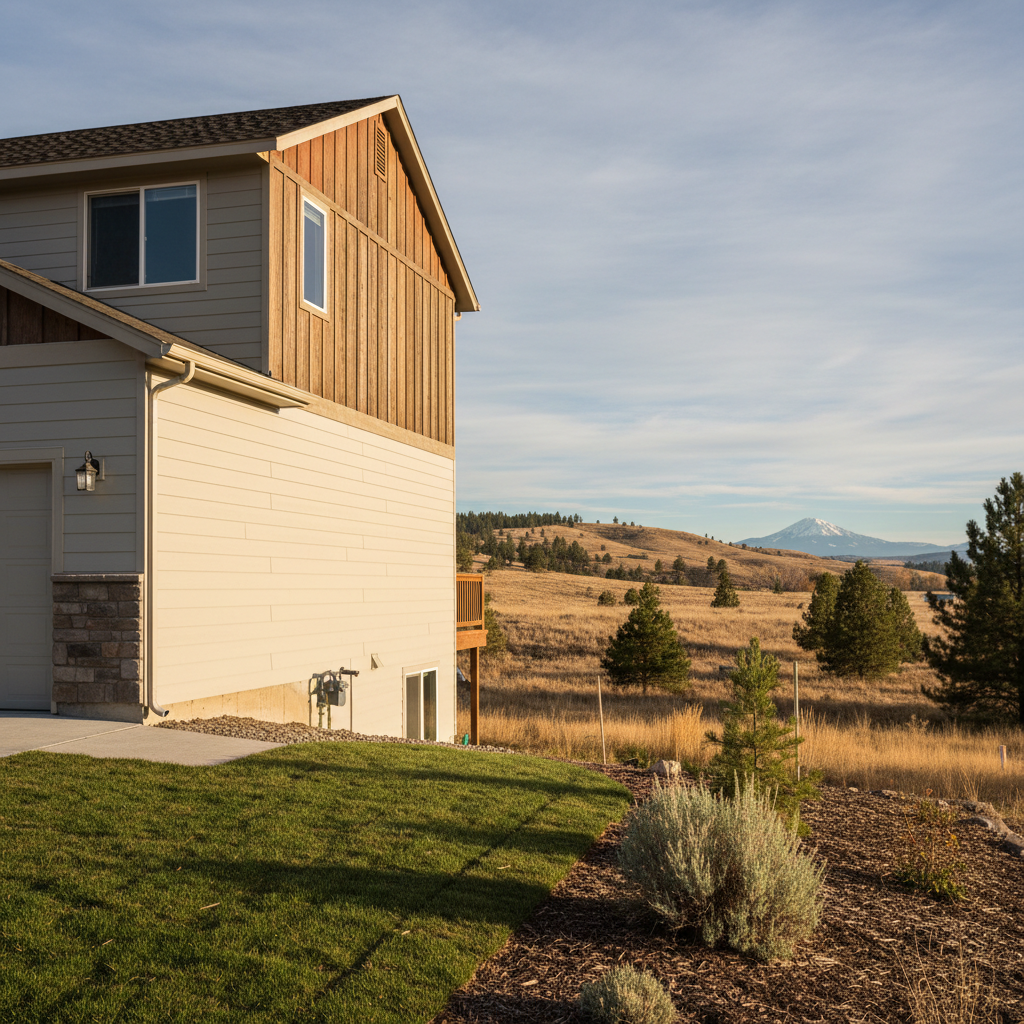
Living in Boise, you already know we experience all four seasons, and sometimes they can hit pretty hard. This means your home is constantly facing different water damage risks, depending on what Mother Nature decides to throw our way. As a local who's seen a lot working with Omega Restoration, I want to talk plainly about what our climate means for your house and how you can stay ahead of potential issues.
Winter: That Sneaky Pipe Buster
Boise winters, honestly, can be a bit milder than other places, but we still get freezing temperatures. We usually see lows around 24-25°F in December and January. That's cold enough to cause some real trouble if you're not careful. The biggest concern? Frozen pipes. When water freezes, it expands, and that expansion can burst pipes in basements, crawl spaces, exterior walls, or even vacant areas. You might not even realize it's happened until things start to thaw, and then suddenly, you've got a flood on your hands. It's a mess.
Another winter risk is ice dams. We get enough snow piling up on roofs, and when it melts and refreezes, these dams can form. They stop proper drainage, which forces water under your shingles and right into your home. It's a huge headache, trust me.
When to schedule: If a pipe has burst or an ice dam is leaking, you need us there fast, no matter the season. But for preventative maintenance, like insulating pipes or checking your attic ventilation, fall is your best bet before the deep freeze really sets in. If you're planning any big exterior work that might expose pipes, aim for late spring or early fall when the weather is mild.
Spring: Thaw, Rain, and Saturated Ground
Ah, spring in Boise. It's beautiful, but it's also prime time for water damage. As all that winter snow melts, and we get those spring rains, the ground can become completely saturated. This often means water has nowhere to go but potentially into your basement or crawl space. Rapid snowmelt combined with rain can easily overwhelm drainage systems and lead to flooding. We've seen plenty of basements flood in the Treasure Valley when snowmelt pushes more water into the ground than a yard can absorb (and that's a lot of water).
When to schedule: If you're dealing with a flooded basement from snowmelt or heavy spring rains, call us right away. For proactive steps, like checking your foundation for cracks or making sure your sump pump is working, late winter or very early spring is ideal, before the bulk of the snowmelt and rain hits.
Summer: Sudden Storms and Flash Flooding
Boise summers are hot and dry, with average highs in July around 92°F. But don't let that fool you. We still get intense, fast-moving thunderstorms that can dump a lot of rain in a short amount of time. I'm talking about those sudden downpours that can cause flash flooding, especially in low-lying areas or if storm drains get overwhelmed. We've seen roads closed and cars stuck in standing water right here in Ada County from these kinds of storms. Hail can also be part of the package, damaging roofs and siding, which then lets water sneak into your home (and that's not what anyone wants).
When to schedule: If you experience storm-related flooding or roof damage, don't wait. The sooner we can get in, extract the water, and start drying, the better we can prevent secondary damage like mold. For general exterior maintenance or roof inspections to prepare for storm season, aim for late spring or early summer.
Fall: Getting Ready for the Freeze
Fall is all about preparing for winter. The temperatures gradually cool, and rainfall starts to pick up. This is your last chance to make sure your home is properly buttoned up. Clogged gutters are a big one. All those beautiful fall leaves can quickly fill your gutters, and when the rain comes, water overflows and can damage your siding, foundation, or even back up under your roof. It happens more than you'd think.
When to schedule: Fall is the perfect time for preventative maintenance. Clean your gutters, inspect your roof for any loose shingles or potential weak spots, and make sure your downspouts are directing water well away from your foundation. If you find any issues, addressing them now, before winter sets in, is important.
Protecting Your Investment Year-Round
No matter the season, here's what you need to keep in mind to protect your Boise home:
- Regular Inspections: Walk around your house a few times a year. Look at your roof, check your gutters, and peek in your crawl space or basement for any signs of moisture. Small issues caught early are always cheaper and easier to fix.
- Proper Drainage: Make sure water flows away from your foundation. This means properly graded landscaping and clear, functional gutters and downspouts.
- Know Your Home's Vulnerabilities: Older homes, especially in areas like the North End, might have different challenges than newer builds in Meridian. Understand where your home might be susceptible.
- Act Fast: If you see water where it shouldn't be, don't hesitate. The quicker you deal with water intrusion, the less damage it will do. We're talking hours, not days, to prevent bigger problems like mold.
We're Omega Restoration, and we're here for you whenever water decides to make an unwelcome visit. Knowing Boise's climate and how it affects your home is half the battle. The other half is being prepared and knowing who to call when you need help.