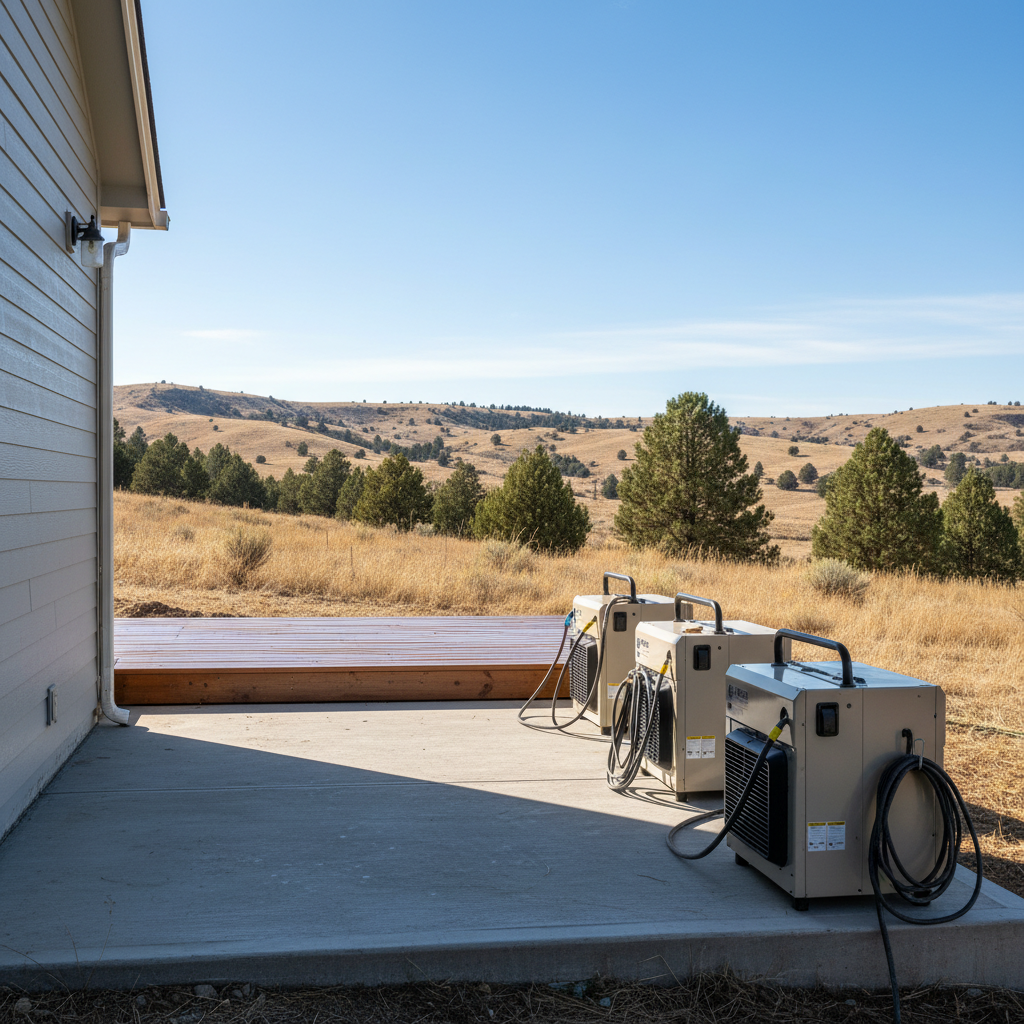
So, we've dealt with your water damage, dried everything out, and your home finally feels normal again. Good. But here’s the real deal: structural drying isn't just about getting rid of the immediate water. It’s about making sure your house stays dry and healthy long after we’ve packed up our gear. Think of it like a car repair; you still have to do oil changes, right? Your home needs that same kind of ongoing care.
Making Your Structural Drying Last Longer
The absolute best thing you can do to keep your structural drying work effective is to stop water from getting in again. Sounds obvious, I know, but this is where most folks mess up. We fixed the symptom, sure, but if you don't tackle the root cause, you’re just setting yourself up for the next problem. For example, if a leaky pipe caused your water damage, don't just patch it up. Make sure it's properly replaced, or even rerouted, especially if it’s been an issue before. If it was a foundation leak, you need to be certain your outside drainage is really working. Here in Boise, particularly with our clay-heavy soils in places like the North End, getting the grading right around your foundation is super important. Water can just sit there and seep in, even after a good drying job, if it’s not directed away from your home.
Another crucial step is keeping an eye on indoor humidity. Our dry summers might make you think humidity isn't a big deal, but a finicky HVAC system or even just a long, hot shower without good ventilation can create damp spots. Keep your home well-ventilated, especially in bathrooms and kitchens. Maybe even think about a dehumidifier for basements or crawl spaces, particularly during our wetter spring months when the ground is really saturated.
What Does Regular Maintenance Actually Look Like?
Okay, so what should you actually be doing? It's not brain surgery, but it does need a little bit of attention. First off, check your plumbing regularly. Look under sinks, around toilets, and near water heaters for any drips or signs of moisture. A tiny leak can turn into a huge headache pretty quickly. Second, inspect your roof and gutters. Get those gutters cleared out before winter hits and again after the spring thaw. Clogged gutters mean water overflowing and running down your exterior walls, which can easily find its way into your foundation or attic.
Third, take a walk around the outside of your house a few times a year. Look at your foundation for any cracks or that white, powdery stuff called efflorescence. Check your landscaping – are plants too close to the house, holding moisture right up against the foundation? Is the ground sloping away from your home? These simple checks can save you a ton of grief and keep the structural drying we did from being undone.
Signs That Something's Wrong
How do you know if there’s a new problem, or if the old one is making a comeback? Trust your senses. Your nose is a powerful tool here. A musty, earthy smell, especially in a basement or crawl space, is a huge red flag. That’s usually the smell of microbial growth, which means moisture is definitely present. Don't ignore it.
Visually, look for discoloration on walls, ceilings, or floors. Yellowish, brownish, or dark spots could mean water. Peeling paint or wallpaper, bubbling drywall, or warped wood floors are also pretty clear signs. If your water bill suddenly jumps without you using more water, that’s a strong indicator of a hidden leak. Soft spots in your floor or walls when you press on them? Nope, that's not normal. Also, if you’ve got a crawl space, make it a point to peek in there every now and then. It’s amazing what you can spot early if you just take a look.
When It's Time to Call a Pro
You don't need to be a detective, but you do need to know when to pick up the phone. If you see any of those warning signs, don't wait. A small, contained issue is much easier and cheaper to fix than a widespread one. If you’ve had water damage before and you’re seeing signs of moisture returning, especially in the same spot, that’s absolutely when you should call us. It might mean the original source wasn’t fully taken care of, or a new problem has popped up.
If you've got standing water anywhere it shouldn't be, or if a pipe bursts, that's an immediate call. Don't try to dry it yourself unless it's just a tiny spill you can easily mop up. For anything significant, you really need professional equipment and expertise to make sure everything dries properly and to stop secondary damage like mold. At Omega Restoration, we've seen it all, from irrigation leaks soaking foundations to burst pipes in freezing temperatures. We know Boise homes and what it takes to get them dry and keep them that way. Don't hesitate to reach out if you're unsure; a quick inspection can save you a lot of grief down the road.